Integrate Mind and Body
Increase Vitality and Wellbeing

Alleviate physical, emotional, and mental discomfort with Donna Ray, LMFT & Feldenkrais Trainer

Integration is the fastest, most natural way out of discomfort into wellness. This approach is a mindful movement practice that creates neuroplasticity. This easy and comfortable way to move and learn creates new pathways in your brain. You can resolve discomfort; overcome injuries; reduce anxiety and depression.
Joyful living is immediately available.

It’s about respect.
The Feldenkrais Method® is largely about respecting ourselves and others.
It’s about developing awareness through a kind lens. All movements are comfortable, gentle, and pleasurable. The nervous system is supported and revitalized.
Our Services

Coaching/Psychotherapy
Individuals and Couples
Executives
Finding practical solutions is possible when you work with a skillful supportive practitioner. 40 years of experience has informed me that supportive learning allows us to live with peace and harmony.
Coaching and Individualized sessions go hand in hand for many of my clients. Combining these services accelerates your awareness and creates comfort.

Feldenkrais
Individuals and Groups
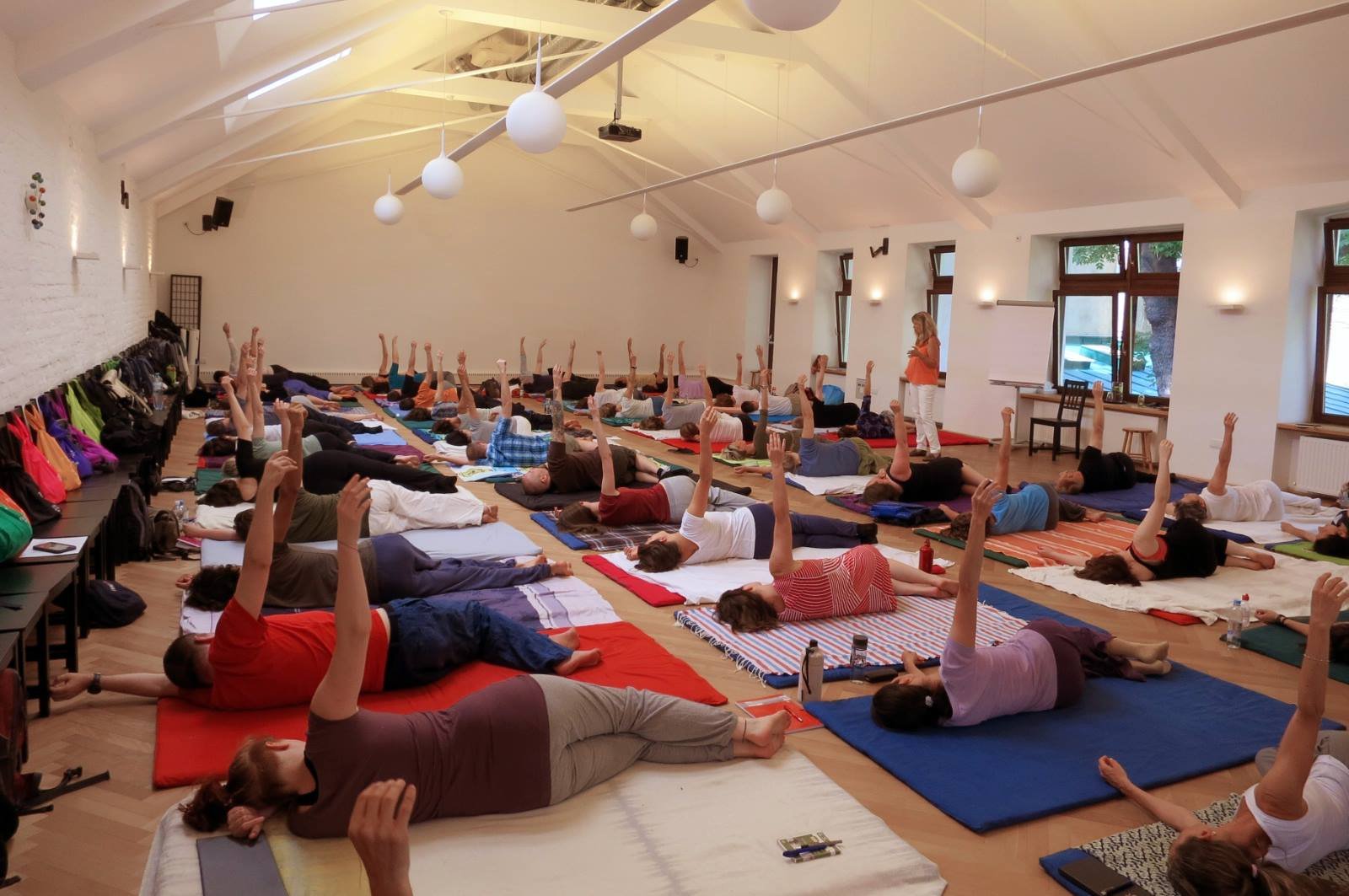
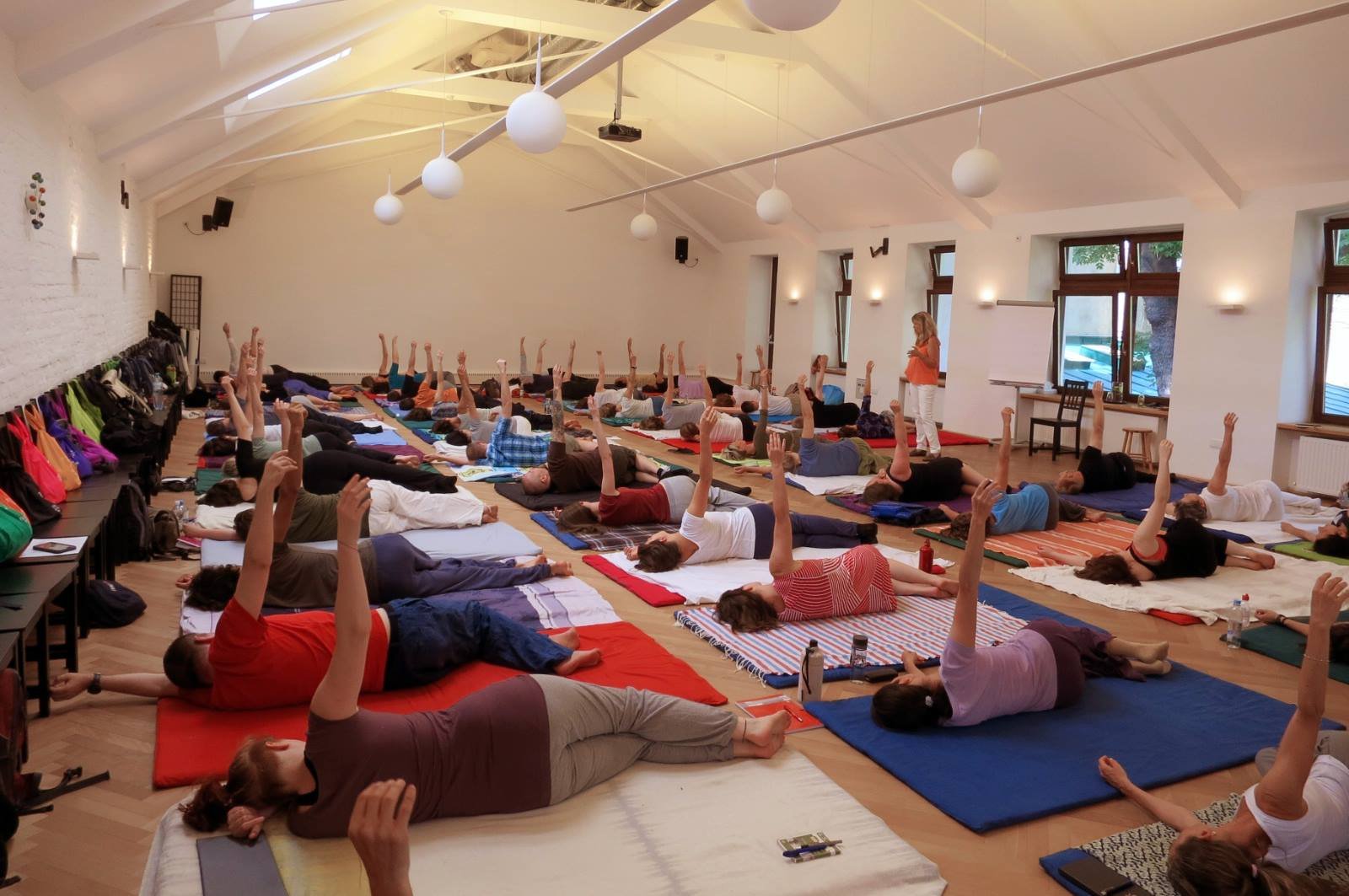
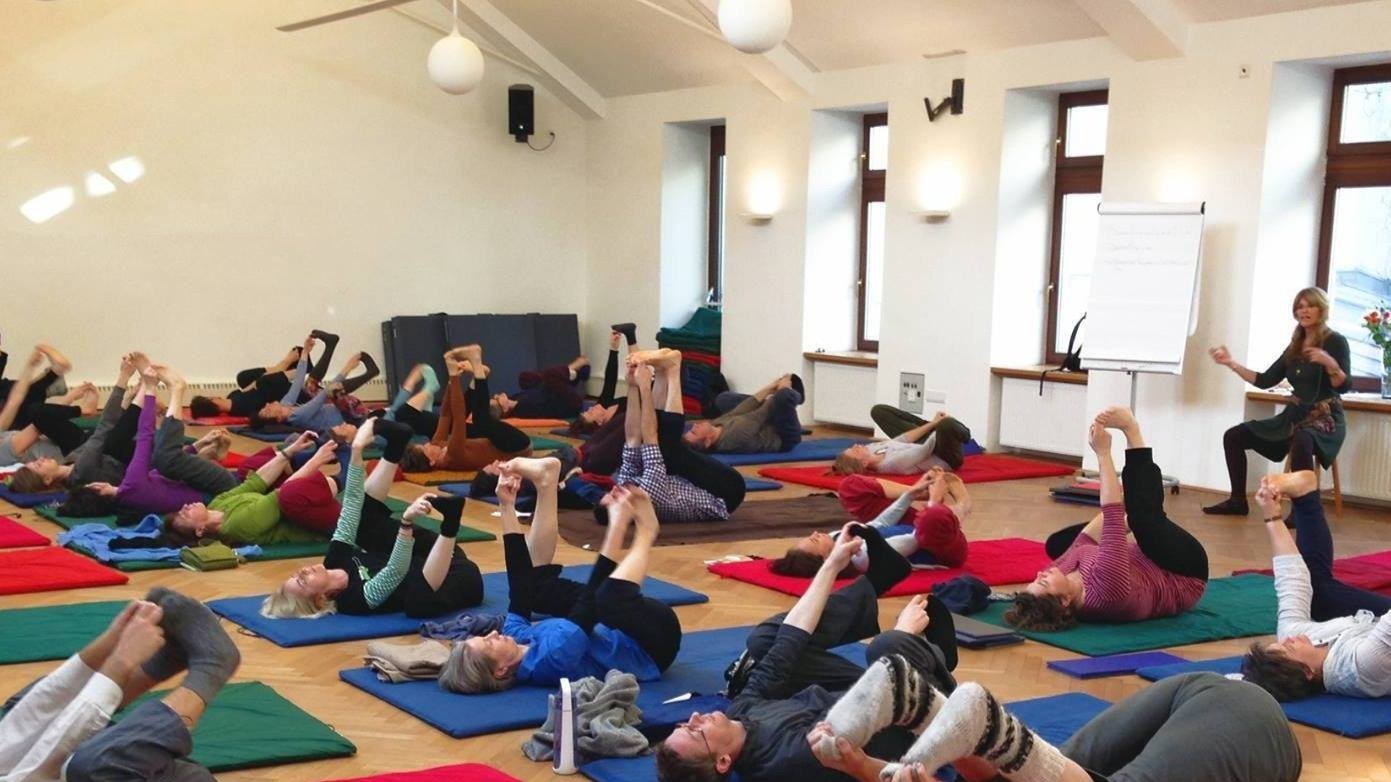
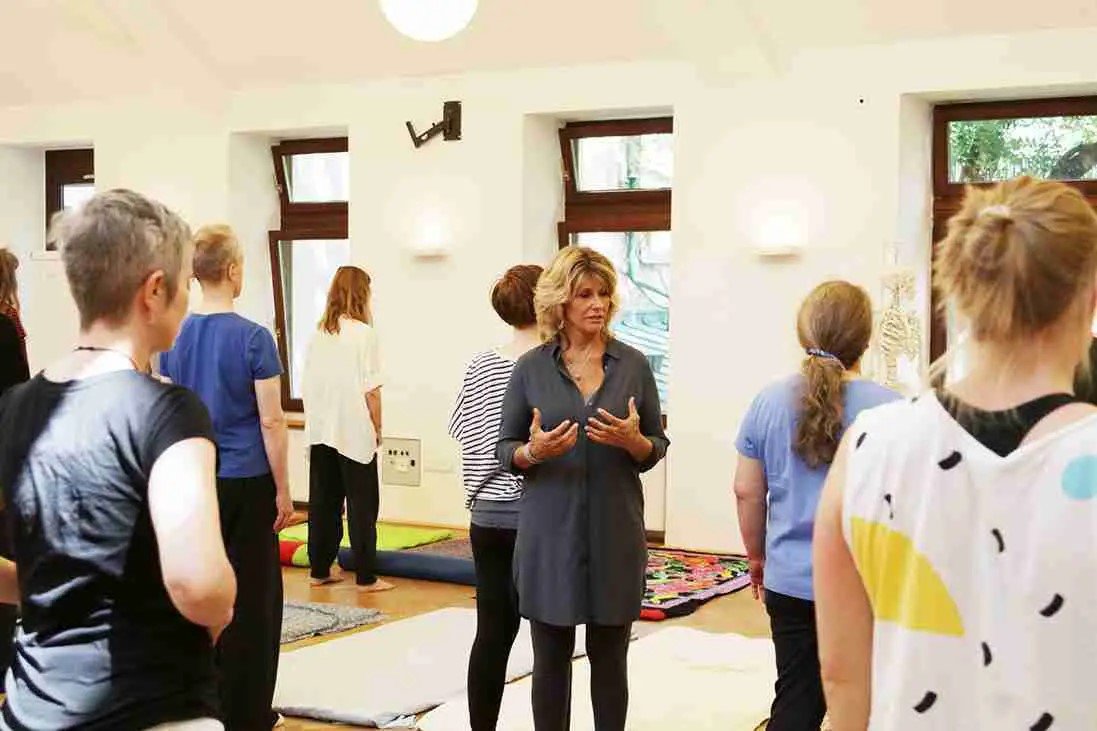
Our services include individual hands-on sessions called Functional Integration and Awareness Through Movement group classes. We also provide advanced training for Feldenkrais Practitioners.
The Feldenkrais Method® provides you with an opportunity for in-depth, concentrated personal growth and education. Many find the method a means to a new and stimulating profession.


“Movement is life. Life is a process. Improve the quality of the process and you improve the quality of life itself.”
— Dr. Moshé Feldenkrais
What is the Feldenkrais method?
The Feldenkrais Method® is a somatic education approach in which you improve upon the functional performance of the body and mind.
What exactly can the Feldenkrais method do for me?
Feldenkrais possesses significant medical and therapeutic benefits, however, it is a learning approach that develops personal freedom.
There are many benefits for adults and children:
-
Improve posture, flexibility, and coordination
Enhance emotional and physical well-being
Reduce Stress
Refine skills for athletes, musicians, and dancers
Enhance your sensuality and sexuality
Develop self-awareness, attention, and thinking abilities
Help overcome and avoid injuries
Create vitality and rejuvenation
Increase self-esteem and enhance relationships
Increase self-confidence
Regain child-like openness, creativity, and spontaneity
-
Enhance Developmental Movements for children with cerebral palsy, stroke recovery, autism, and other neurological disorders
Learning Difficulties – Embodiment of spatial concepts
Improve coordination of movement for sports and everyday skills
Create a positive self-image, reduce frustration and anger
Nurture healthy social interactions
Create vitality and rejuvenation
Increase self-confidence

“After our first appointment with Donna, we felt immense relief and excitement. Our son connected with Donna immediately. She has a special gift of making children and parents feel comfortable during the therapy session. Instead of forcing our son to do certain things, she followed his natural rhythms and enhanced his whole body movement. Since we started seeing Donna eight months ago, our son has gone from barely being able to crawl to taking steps independently. He is so thrilled with his new movement abilities, and we are overjoyed to see him so happy and confident! Donna has truly given us the ultimate gift, and we are so grateful to her! We look forward to seeing her every week and love observing his smooth, seamless movements after each session. We are beyond grateful to have discovered Donna and the Feldenkrais method!”
– Ashley"
